

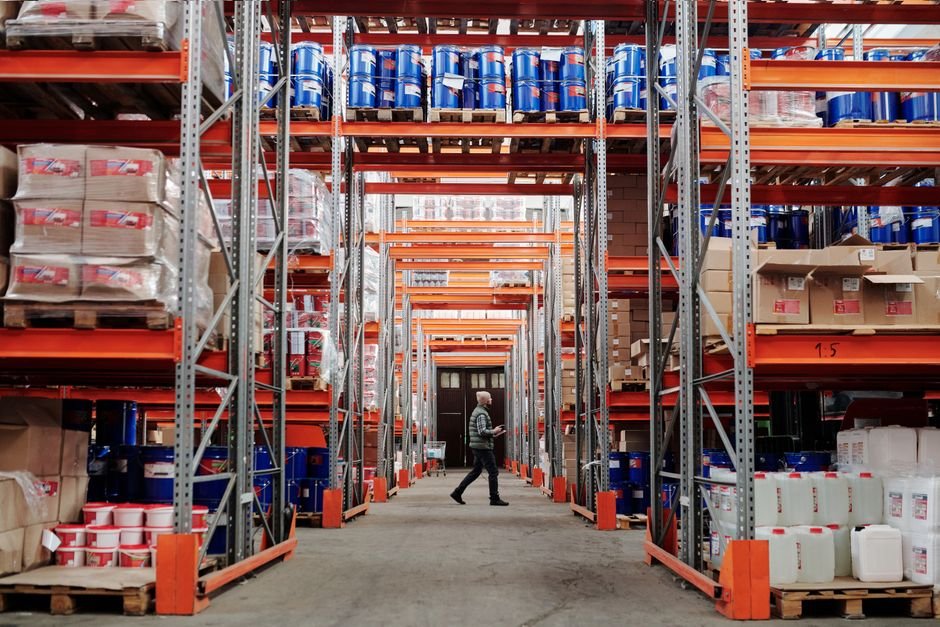
Self-storage is one of the more resilient businesses in the U.S. property sector. People need storage when they move, downsize, renovate, or run out of room — and that demand tends to hold up even when the broader economy slows down.
But starting a storage business takes more than finding an empty lot and putting up some units. You need solid market knowledge, realistic financing, and a clear plan for how the operation will actually run. This guide walks through each of those pieces — from choosing the right model to attracting your first customers.
Which Type of Storage Business Makes Sense for You
Before you commit to anything, it helps to understand what your options actually are. Not every storage business starts with a $2 million facility build.
Traditional Self-Storage Facilities
This is the model most people picture — rows of lockable units in various sizes, with drive-up access, security gates, and sometimes climate control. These facilities can also include RV and boat storage, which typically commands higher rates.
Traditional builds are capital-intensive. A full facility often runs $2–3 million or more, depending on size, location, and whether climate control is involved. The upside is that these operations are scalable and, once stabilized, can generate strong returns. The tradeoff is a longer road to profitability and significant upfront risk.
Lower-Capital Models
If you don’t have access to millions in financing, there are other ways in. Some examples worth considering:
- Rent out existing space: A large garage, barn, or unused warehouse section can be listed for storage without major construction costs.
- Peer-to-peer platforms: Sites like Neighbor let you list available space and connect with people who need storage nearby. This is a low-overhead way to test demand.
- Partner with property owners: Some businesses have unused parking structures, basements, or warehouse corners they’d share in exchange for a cut of the rental income.
- Mobile storage: You pick up storage containers, fill them at the customer’s location, and store them at a rented lot. Lower asset cost, but more operational complexity.
Each model differs significantly in startup cost, complexity, and what licenses or permits you’ll need. The model you choose shapes every decision that follows, so it’s worth thinking through carefully before you spend anything.
How to Test Whether Your Market Can Support a Storage Business
Skipping market research is one of the most common and costly mistakes new storage owners make. Before you sign anything, find out whether your area actually needs more storage.
What to Look For
Start by visiting existing facilities nearby. If they’re consistently running at or near full occupancy, that’s a signal demand is outpacing supply. If you see a lot of vacancies and promotional pricing, the market may already be oversaturated.
Beyond occupancy rates, look at:
- Population growth trends and new residential developments in the area
- Housing turnover — people moving in and out of rental units or homes
- Traffic counts and road visibility for any site you’re considering
- Zoning constraints that might limit how many facilities can be built
Markets that are growing quickly or are geographically constrained tend to be better opportunities. Crowded suburban markets with plenty of existing supply are a real risk.
The Feasibility Study
A formal feasibility study goes deeper. It typically covers development costs, competitor analysis, projected occupancy ramp-up, unit mix demand, and an estimated break-even timeline. This isn’t just useful for your own planning — lenders often want to see one before they’ll consider financing a storage facility.
If you’re testing a low-capital model first, you can do your own informal version: list a space on a platform or Craigslist and see if people actually respond. Real demand data is worth more than projections on paper.
One practical option for larger builds: negotiate an option-to-buy agreement on a piece of land. This lets you run feasibility research before committing to the full purchase.
What a Storage Business Plan Should Actually Include
A business plan for a storage operation isn’t just a formality. It’s the document that tells you — and any lender or investor — whether the numbers actually work.
A solid plan should cover:
- Market research summary: What you found about local demand, competition, and your target customers
- Business model and facility type: What kind of storage you’re offering and why it fits the market
- Unit mix: A breakdown of planned unit sizes (common ones include 5×10, 10×10, and 10×20) and how many of each
- Startup and development costs: Land, construction or lease costs, security systems, signage, and any required improvements
- Operating cost projections: Ongoing expenses like maintenance, insurance, management software, and staffing
- Revenue projections: Based on a realistic occupancy ramp-up, not the assumption that you’ll be full on day one
- Cash flow analysis: Month-by-month projections that show when the business becomes self-sustaining
- Legal structure: Most owners set up an LLC or corporation to keep business liabilities separate from personal assets
If you’re bringing in investors, a limited partnership structure is another option worth discussing with a business attorney. Your plan serves as both an internal roadmap and a key document for anyone you’re asking to put money in.
Financing Options and What Lenders Actually Require
Getting financing for a traditional storage facility isn’t simple, and it’s worth being clear-eyed about what lenders expect before you start applying.
Common Loan Types
SBA 504 and 7(a) loans are popular options for storage facilities. SBA programs can allow down payments as low as 10–15%, which is lower than the 25% or more typically required for conventional construction loans. That said, SBA loans still have qualification requirements — including a credit score around 680 or higher, a clean credit history, and in many cases some business track record.
Traditional bank loans and construction loans are also used, though they tend to require more equity upfront. Specialized self-storage lenders exist as well and may be more familiar with how these businesses are valued.
Creative and Lower-Capital Routes
If you’re buying an existing facility rather than building new, seller financing is worth exploring — especially when dealing with a retiring owner who wants a clean exit. Some buyers combine seller financing with investor capital or a hard money loan to reduce the cash they need upfront.
If you’re starting with a low-capital model, the strategy is different: build proof of concept first. Run a small operation, document your occupancy and cash flow, and then approach investors or lenders with real numbers instead of projections. That’s a much easier conversation to have.
Revenue-sharing arrangements with property owners who have unused space are another practical starting point — you handle the marketing and operations, they provide the space, and you split the income.
Legal Requirements, Licensing, and Insurance
The specific requirements vary by state and municipality, so you’ll need to check with local authorities. But in general, expect to deal with:
- Business license and registration
- Zoning approval for your intended use
- Building permits if you’re constructing or modifying a structure
- An EIN from the IRS and a dedicated business bank account
- A well-drafted rental agreement that covers payment terms, access rules, lien procedures, prohibited items, and liability
Insurance is non-negotiable. At minimum, you’ll need property insurance and general liability coverage. If you’re storing high-value items like RVs or boats, more specialized coverage is worth looking into.
It’s a good idea to have an attorney review your rental agreement before you use it. Self-storage lien laws vary by state, and getting that piece wrong can create real problems down the line.
Attracting Your First Customers
Once you’re operational, you need people to actually show up. For a traditional facility, the fundamentals include local SEO so you show up when people search for storage in your area, clear signage on high-traffic roads, and listings on Google Business and storage-focused directories.
Building relationships with local moving companies and real estate agents can drive consistent referrals. These businesses regularly interact with people in the middle of transitions — exactly when someone realizes they need storage.
For low-capital models, keep your costs low and your platforms simple. Peer-to-peer sites, Craigslist, and basic word-of-mouth can get you started without a marketing budget.
Transparency on pricing, clear information about access and security, and responsive communication go a long way in building early trust with customers.
A Few Things to Keep in Mind
Storage can be a solid business, but it’s not a guaranteed one. Overbuilt markets, underestimated operating costs, and slow occupancy ramp-up are all real risks that catch new owners off guard.
For more business guidance on getting started in a range of industries, Learn Business Daily covers the practical side of launching and running a small business.
The fundamentals here are straightforward: research your market honestly, match your model to your actual capital, build a plan that reflects realistic numbers.
Read Also:
- How To Start a Hair Business
- How To Start A Self Storage Business in 2026
- How To Start A Tow Truck Business