

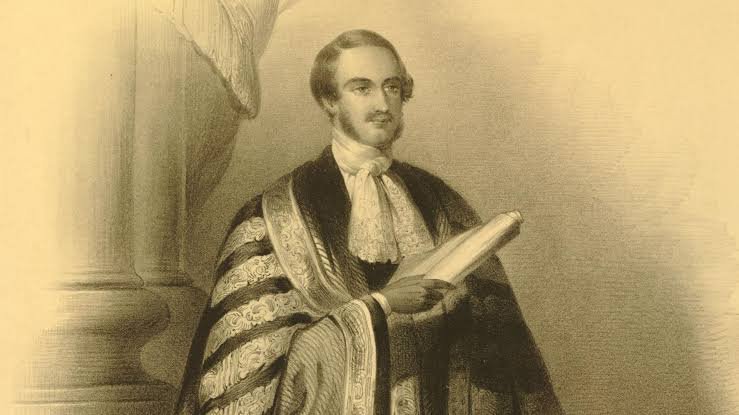
If you search for the name Prince Albert Scruse, you will find one consistent thread running through the results — a reported connection to Beyoncé’s maternal family. Beyond that, confirmed public information about him is limited.
This article covers what genealogy references suggest about Prince Albert Scruse, who Beyoncé’s documented maternal grandparents actually are, and why online family trees deserve a closer look before being taken as fact.
What Genealogy Records Suggest About Prince Albert Scruse
The name Prince Albert Scruse appears in online genealogy databases and family trees linked to Beyoncé’s maternal side. However, no substantial, independently verified public biography of him has been found through major biographical or historical sources.
That is an important distinction. His name appearing in a family tree does not automatically confirm a specific relationship. Genealogy databases are often built from user-submitted entries, which can be valuable research leads but are not always backed by primary records like birth certificates, census filings, or marriage records.
Prince Albert Scruse is not a public figure or celebrity in his own right. His relevance here is entirely genealogical — meaning he matters to this conversation only because of a reported family connection to someone famous. Any link between him and Beyoncé’s family should be understood as reported in genealogy sources rather than confirmed through independently verified records.
Beyoncé’s Documented Maternal Grandparents
It is worth being clear about who Beyoncé’s confirmed maternal grandparents are, because Prince Albert Scruse is sometimes mistakenly assumed to fill that role.
Tina Knowles’s parents — and therefore Beyoncé’s maternal grandparents — are widely identified as Lumis Albert Beyincé and Agnéz Deréon. This is documented across multiple biographical sources, including the Tina Knowles Wikipedia entry and Encyclopedia.com’s profile of her.
Lumis Albert Beyincé worked as a longshoreman. Agnéz Deréon was a seamstress. Both were from Louisiana, and both are the documented grandparents on Beyoncé’s maternal side.
Prince Albert Scruse appears to be a separate figure in the broader family record. He should not be conflated with Lumis Albert Beyincé. The two names refer to different people, and mixing them up would misrepresent the family history.
Tina Knowles and Her Louisiana Creole Family Background
To understand why a name like Prince Albert Scruse surfaces when people research Beyoncé’s ancestry, it helps to understand the depth of the family’s roots in Louisiana.
Tina Knowles is Beyoncé’s mother and the mother of Solange Knowles. She comes from a Louisiana Creole family whose history stretches back many generations. When researchers follow that lineage far enough back, they begin encountering older records, unfamiliar surnames, and figures who left little public documentation behind.
That is the nature of tracing any family with deep Southern roots. Records from earlier eras are often incomplete, scattered across different archives, or recorded inconsistently depending on who was doing the recording at the time.
One well-known detail from Tina Knowles’s family history is that Beyoncé’s first name is directly connected to her mother’s maiden name, Beyincé. It was a way of honoring the maternal family line and keeping that name visible in public life. Tina Knowles’s memoir, Matriarch, explores this family history in depth, tracing the Louisiana roots and the story behind the family names. The memoir provides helpful context for understanding the broader ancestry, though it should not be used to confirm or deny specific details about Prince Albert Scruse unless he is explicitly named in it.
Why Beyoncé’s Family Surnames Appear With Different Spellings
One of the challenges that comes up when researching Beyoncé’s family — and figures like Prince Albert Scruse — is that the same surnames appear in multiple spellings across different records.
The family name has been recorded as Beyincé, Buyincé, Boyance, and other variations depending on the source. This was not unusual. Names were often written down by census takers, clerks, or local officials who spelled by ear or used their own conventions.
Over time, the same person might appear under slightly different name spellings in different documents. This creates real confusion for genealogy researchers who may not realize they are looking at the same family under different spellings.
The same issue can affect how Prince Albert Scruse’s name appears or gets indexed in historical documents. If you are searching for him in older records, it may be worth trying different spelling variations to make sure you are not missing relevant entries.
Tina Knowles’s memoir Matriarch touches on the naming and spelling history of the family, which makes it a useful resource for anyone interested in the genealogical complexity of these Louisiana family lines.
How to Evaluate Online Family Trees as Genealogy Sources
Since much of what is known about Prince Albert Scruse comes from online family trees, it is worth understanding what those sources can and cannot tell you.
What Online Family Trees Do Well
User-created family trees can be genuinely useful. They often gather names, dates, and relationships that point researchers toward the right records. Someone may have already done significant research and uploaded their findings in a way that saves others time.
They are also helpful for identifying which records to look for next — a name from a family tree can lead you to a census entry, a death record, or a local archive you might not have found otherwise.
Where They Fall Short
The problem is that online family trees are only as reliable as the person who built them. Some are carefully sourced and accurate. Others are built on assumptions, copied errors from other trees, or connections that have never been verified against an original document.
A family tree entry saying that Prince Albert Scruse was related to Beyoncé’s family is a research lead — not a confirmed fact. To move from “reported” to “confirmed,” you would need a primary record: a birth certificate, a marriage record, a census entry, or a death certificate that places him in the documented family line.
A Simple Way to Think About It
Think of an online family tree the way you might think of a tip from a friend. It could be right, it could be close but slightly off, or it could be based on something that was never actually verified. It is a starting point, not an endpoint.
This same standard applies to anything written about Prince Albert Scruse. The honest answer is that his name appears in genealogy material connected to Beyoncé’s maternal family, but the specific nature of that connection has not been confirmed through publicly available, independently verified primary records.
For readers who want to explore Beyoncé’s family history more broadly, resources like Learn Business Daily cover stories about public figures and the family and cultural contexts behind their lives.
Putting It All Together
Prince Albert Scruse is a name that appears in genealogy sources connected to Beyoncé’s maternal family line. Beyond that, confirmed public information about him is limited. He is not a celebrity, and no detailed, independently verified biography of him has been located in major public sources.
What is confirmed is that Beyoncé’s maternal grandparents are Lumis Albert Beyincé and Agnéz Deréon, both from Louisiana. Prince Albert Scruse appears to be a separate figure in the broader family record and should not be confused with Lumis Albert Beyincé.
Tina Knowles’s Louisiana Creole family history is deep and well-documented enough to explain why researchers encounter multiple older names and surname variations when tracing Beyoncé’s ancestry. That complexity is real — and it is exactly why careful sourcing matters when writing or reading about genealogy.
If you come across Prince Albert Scruse’s name in a family tree or ancestry database, treat it as a starting point for further research rather than a settled conclusion. That approach will serve you better than accepting any single source at face value, regardless of how confident it sounds.
Read Also: