

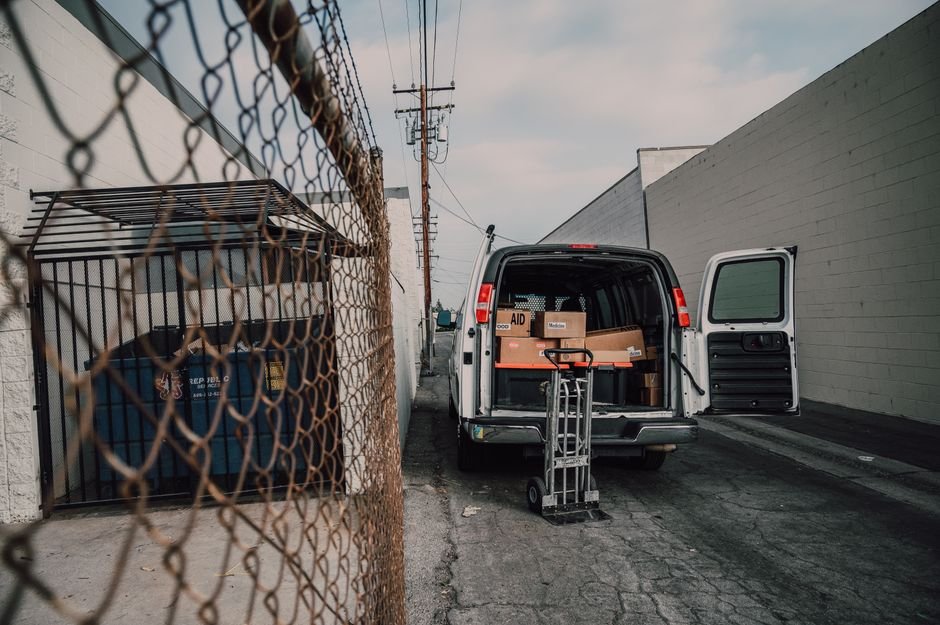
A box truck business has a relatively low barrier to entry compared to other freight operations. Most trucks don’t require a CDL, you don’t need a warehouse, and demand for local and regional delivery keeps growing. But getting started the right way takes more than buying a truck and posting on load boards.
This guide walks through the core steps — choosing a business model, handling legal setup, getting your FMCSA authority, picking the right truck, securing insurance, and finding consistent paying work.
Choose a Business Model Before You Buy Anything
The model you choose shapes every other decision — your truck specs, your startup costs, and how quickly you can generate income. There are three main paths, plus one platform worth its own mention.
Owner-Operator on Load Boards
You run under your own authority and find freight through load boards and brokers. This gives you flexibility, but income can be inconsistent, especially early on. Most experienced operators use load boards for backhauls rather than as their primary source of work.
Contracted Routes
You sign on with a parcel carrier or regional LTL network to handle regular routes. This trades flexibility for stability. These contracts typically require a 26-foot dock-height truck with a liftgate and pallet jack.
Local Delivery and Moving Services
You pitch local retailers, furniture stores, or small businesses for recurring delivery work. This model works well if you’re in a market with active small businesses and can build direct relationships over time.
Amazon Relay
Amazon Relay offers block-based routes near fulfillment centers. It can provide steady income, but the requirements are strict — a 26-foot dock-height truck, liftgate, pallet jack, and higher insurance minimums. If you’re near a fulfillment center, it’s worth looking into seriously.
Your local market matters too. Proximity to Amazon facilities, industrial parks, and distribution centers should influence which model makes the most sense for you.
Set Up Your Legal Structure and Business Finances
Before you apply for any authority or buy a truck, get your business foundation in order. It’s not complicated, but skipping these steps causes problems later.
Choose a Legal Structure
Most new box truck owners form an LLC. It separates your personal assets from business liability, which matters when you’re operating a commercial vehicle. A sole proprietorship is simpler to set up but offers no such protection.
To form an LLC, register your business with your state and file Articles of Organization. The process and fees vary by state but are straightforward. You can do this directly through your state’s business portal — no need to pay a third-party service to do it for you.
Get Your EIN and Open a Business Account
An Employer Identification Number (EIN) is essentially a tax ID for your business. You apply for one through the IRS website at no cost. It takes minutes and you get your number immediately.
Once you have your EIN, open a dedicated business bank account. Keep your business and personal finances completely separate from day one. A business credit card helps too, and building your business credit profile early — through tools like a Dun & Bradstreet number — can be useful as you grow.
Get Your FMCSA Authority and Required Permits
If you’re operating as a for-hire carrier — meaning you’re being paid to haul someone else’s freight — you need federal operating authority. This applies even to non-CDL box trucks used for interstate commercial work.
USDOT Number and MC Number
You’ll need both a USDOT number and an MC (Motor Carrier) number, both issued through the FMCSA. The MC application fee is approximately $300. After you apply, there’s a 21-day vetting period before your authority becomes active.
Don’t wait on insurance during this window. If your DOT/MC authority sits for more than 90 days without active insurance on file, you may have to pay fees again and restart parts of the process.
File the BOC-3
The BOC-3 is a form that designates process agents in every state where you operate. It’s a separate requirement from the MC application and must be filed before your authority activates. This is typically handled by a process agent service for a small fee.
A Note on Non-CDL Trucks
Box trucks under 26,000 lbs GVWR can be driven with a standard driver’s license. This makes hiring easier and lowers the barrier for you personally. But non-CDL status doesn’t mean no regulation — FMCSA authority is still required for commercial for-hire operations.
What Insurance You Actually Need
Insurance is not optional, and it’s not cheap. Understand what’s required before you budget for startup costs.
Required Coverage Types
You need at least two types of coverage: commercial auto liability and cargo insurance. Liability covers accidents involving your truck. Cargo insurance covers the freight you’re hauling if it’s lost or damaged.
Most shippers, load boards, and freight platforms require a minimum of $1 million in liability coverage plus cargo insurance before they’ll assign you loads. Amazon Relay and parcel carrier contracts often require higher limits — check their specific requirements before applying.
Insurance and FMCSA Are Connected
Your insurance provider must file proof of coverage directly with the FMCSA. Your authority doesn’t fully activate until that filing is in place. This means you need to have your insurance lined up during — not after — the application process.
Get quotes from multiple providers. Rates vary considerably based on your truck’s age, your driving history, and the coverage levels you need.
Choose the Right Truck for Your Model
The truck you buy should match the work you plan to do. Buying the wrong spec can disqualify you from certain contracts before you even start.
Size and Specs
For most contracted routes, Amazon Relay, or LTL work, a 24 to 26-foot truck with dock-height clearance and a liftgate is effectively the standard. Add e-track or logistics posts for securing loads, and you’ll need a pallet jack on board for most commercial contracts.
If you’re focused purely on local retail delivery or small moving jobs, a smaller 16 to 20-foot truck may work fine and costs less to operate.
New, Used, or Leased
Most people starting out buy a used truck to keep costs down. That’s reasonable, but inspect it carefully and factor in maintenance costs. A cheap truck that spends two weeks in a shop every few months isn’t actually cheap.
Leasing is another option if you want to preserve capital and prefer predictable monthly costs. There’s no universal right answer — it depends on your starting capital and how quickly you expect to generate revenue.
Finding Consistent Paying Work
This is where a lot of new operators struggle. Load boards are a starting point, not a business strategy.
Load Boards
Platforms like DAT and Landstar let you filter for box truck loads specifically. They’re useful for filling gaps in your schedule or picking up backhaul freight after a contracted run. Relying on them as your primary income source, though, tends to produce inconsistent results and often lower rates.
Build Direct Relationships
The operators who do well over time typically build a base of regular customers or contracts. Pitch local furniture stores, appliance retailers, or small businesses that need recurring delivery support. A few steady accounts are worth more than a dozen random load board pickups each month.
Amazon Relay and Carrier Contracts
If your truck meets the specs, signing up for Amazon Relay gives you access to block-based routes with predictable scheduling. Similarly, applying as an owner-operator with regional parcel carriers or LTL networks can provide steady volume once you’re approved.
Use load boards to supplement these relationships — not to replace them.
For more practical guidance on building and running a small business, visit Learn Business Daily.
What This Actually Costs to Start
Startup costs vary, but here’s a realistic picture of where the money goes:
- Truck purchase or down payment: The largest single cost, ranging from $15,000 for an older used truck to $60,000+ for a newer model
- FMCSA authority: Around $300 for the MC application, plus small fees for BOC-3 filing
- Insurance: Varies widely, but commercial trucking insurance is a significant monthly expense — budget carefully and get multiple quotes
- Equipment: Pallet jack, straps, load bars, moving blankets — typically a few hundred to a couple thousand dollars depending on what you need
- LLC formation and EIN: State filing fees range from about $50 to $500; the EIN is free
Having enough cash reserve to cover the first 60 to 90 days of operating expenses — fuel, insurance, maintenance, and personal expenses — is important. The first months often involve more setup time than revenue.
Common Mistakes to Avoid
A few patterns show up repeatedly among new box truck operators who struggle early on.
Relying only on load boards. As mentioned, spot loads fluctuate. Build toward contracts as quickly as you can.
Letting authority lapse. If you get your DOT/MC numbers but delay getting insurance, you risk having to restart or pay additional fees after
Read Also: