

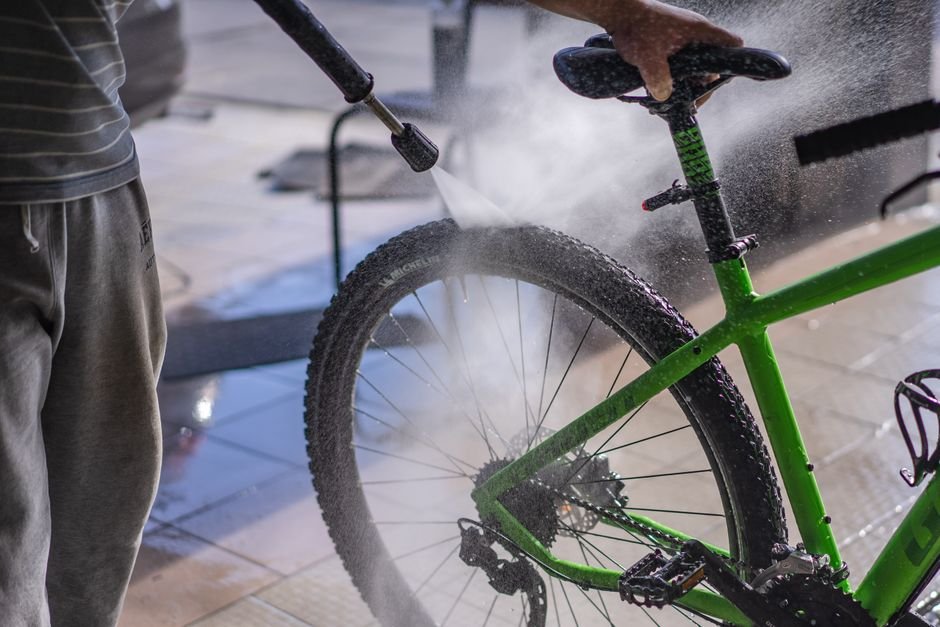
Pressure washing is one of the few service businesses where a solo operator can be up and running—legally registered, insured, and with paying customers—within a few weeks and for under $2,000. The barrier to entry is low, the demand is steady, and the work is straightforward once you understand the basics.
That said, buying a pressure washer and calling yourself a business are two very different things. This guide covers the full process: choosing a niche, setting up legally, buying the right equipment, pricing your services, and landing your first customers—with realistic expectations throughout.
Choose Your Niche Before You Buy a Single Piece of Equipment
Before you spend money on gear, spend time thinking about who you want to serve. Your niche affects what equipment you need, how you price jobs, and how you market yourself.
There are three main markets to consider:
- Residential: House washing, driveways, decks, patios, and fences
- Commercial: Parking lots, storefronts, restaurant sidewalks, and building exteriors
- Specialty: Roof cleaning, fleet washing, and graffiti removal
For most beginners, residential is the smartest starting point. The sales cycle is shorter, jobs are smaller and easier to manage alone, and you don’t need to win large contracts before you see income.
Local conditions matter more than most people realize. Housing density, climate, the dominant surface types in your area (vinyl siding versus brick versus concrete), and how many competitors are already active all shape your potential demand. Before committing to anything, spend an hour on Google Maps, Nextdoor, and Craigslist. Search for pressure washing services in your area and see who’s advertising, what they’re charging, and what gaps exist.
One caution worth taking seriously: experienced operators on forums like Reddit’s r/pressurewashing frequently point out that buying equipment is the easy part. Selling the service consistently is the harder skill to build. Research the market before you open your wallet.
How to Legally Set Up the Business
Getting the legal side right from the start protects you and gives customers confidence that you’re a legitimate operation. Here are the core steps most new operators need to take.
Choose a Business Structure
A sole proprietorship is the simplest option—there’s minimal paperwork and no filing fees in most states. However, it offers no separation between your personal finances and your business liabilities. If a job goes wrong and someone sues, your personal assets are at risk.
Most small operators choose to form an LLC (Limited Liability Company) for this reason. It creates a legal separation between you and the business, and the process is relatively straightforward in most states. The cost varies but is typically modest.
Get a Business License and Check Local Permits
Most cities and counties require a basic business license to operate legally. Check your local government’s website directly—requirements vary significantly by location, and no single permit covers all regions.
Also look into environmental or wastewater permits. Some municipalities have rules about where cleaning chemicals and runoff can go. Pressure washing runoff—especially when it contains bleach or detergents—can be regulated in certain areas. This is easy to overlook and worth checking before your first job.
Apply for an EIN
An EIN (Employer Identification Number) is a free tax ID issued by the IRS. You’ll need it for filing business taxes and, eventually, for hiring employees. You can apply online through the IRS website in minutes.
Insurance and Liability: What You Actually Need
Operating without insurance before touching a client’s property is a significant financial risk—not just a formality. Pressure washing can cause real, expensive damage even when performed correctly. High-pressure water can strip paint, crack older siding, break window seals, and kill landscaping with chemical overspray.
The minimum coverage you need is general liability insurance. This protects you if you damage a client’s property during a job. Many clients—especially commercial ones—will ask to see proof of insurance before they hire you.
You should also consider equipment or property coverage to protect your gear from theft or damage. If you eventually hire employees, workers’ compensation insurance is required in most states.
Get insured before your first job. Skipping coverage to save a few hundred dollars early on is consistently cited by experienced operators as one of the costliest mistakes a new business owner can make.
What Equipment You Need to Start (and What Can Wait)
You don’t need a trailer rig and a commercial-grade setup on day one. A functional residential starter kit costs far less than most people expect.
The Bare-Bones Starter Setup
- Gas-powered pressure washer, 3,000–4,000 PSI: $300–$600
- 50–100 ft high-pressure hose: $50–$100
- Nozzles, j-rod, and ball valve: $100–$200
- Surface cleaner (for driveways and flat surfaces): $100–$200
- Cleaning detergents and sodium hypochlorite (bleach) for soft washing
- Personal protective equipment: boots, eye protection, ear protection
Total for a basic setup: roughly $600–$1,050. A more complete setup—100 ft hoses, downstream injector, hose reels, and better safety gear—runs closer to $1,600, based on real-world operator breakdowns.
What You Can Add Later
A trailer, buffer tank, and hot water unit are useful for larger jobs and commercial work. But most beginners don’t need them on day one. One practical note: in the vast majority of residential jobs, you’ll use the client’s water supply via a garden hose. Only specialized jobs without water access require you to bring your own tank.
Invest in upgrades once revenue supports them. Don’t borrow to buy equipment before you’ve proven local demand.
How to Price Your Services
Residential pressure washing jobs typically fall in the $100–$300 range, depending on the size of the surface, complexity, and your local market. A basic driveway might start at $100–$150. A full house wash runs higher, often $200–$400 for an average-sized home.
Set a minimum job charge from the start. One approach used by working operators: start with a $130–$150 minimum and raise it to $200 as demand grows. This protects your time and prevents small, barely profitable jobs from filling your schedule.
When quoting a job, factor in travel time, setup, chemicals, and fuel—not just how long the washing itself takes. A job that takes 20 minutes of active work might require 90 minutes total when you account for driving and setup. Price accordingly.
Avoid setting prices based purely on what competitors charge. Instead, work backward from what you need to earn per hour to make the business viable, then compare that against local market rates.
How to Get Your First Customers
Marketing doesn’t have to be expensive at the start. Some of the most effective early tactics cost very little.
Low-Cost Marketing That Works
- Yard signs: Place them near busy intersections and at job sites with the client’s permission. Several operators cite these as one of their best early sources of leads.
- Door hangers: Drop them in neighborhoods where you’ve already done work—people notice when a neighbor’s driveway suddenly looks clean.
- Nextdoor and Craigslist: Free or very low-cost posts that reach local homeowners directly.
- Google Business Profile: Set this up early and ask satisfied customers to leave reviews. This becomes increasingly valuable as spring and summer demand picks up.
Building a Simple Retention Loop
After completing a job, take before-and-after photos. Use them on social media and in future marketing materials. Consider using a basic CRM tool—like Jobber or QuoteIQ—to follow up with clients in six months and offer a repeat cleaning. Many customers don’t think to rebook until someone reminds them.
Once you have a few jobs under your belt, consider reaching out to real estate agents, property managers, and local contractors. These relationships can generate consistent referrals rather than one-off jobs.
Realistic Income Expectations
A solo operator running a tight schedule can realistically complete two to four jobs per day. At $150–$300 per job, that’s $300–$1,200 in daily gross revenue on productive days. In a strong month, a focused part-time operation can bring in $3,000–$5,000. A full-time solo business with consistent bookings can do more.
Some operators scale into multi-employee businesses with high monthly revenues—but those results come from years of building systems, adding services like window and gutter cleaning, and investing in marketing. They’re not typical starting-point expectations.
Seasonality is also worth planning for. In colder climates, work slows significantly in winter. Many operators use slower months to build their client list, improve their marketing, and prepare equipment for the spring rush.
For more small business guidance on topics like this, Learn Business Daily covers practical strategies for people building service businesses from the ground up.
Read Also:
- How To Start A Courier Business
- How To Start A Catering Business
- How To Start A Box Truck Business Step by Step