

When baseball legend Ted Williams died in July 2002, the public debate that followed had almost nothing to do with his career records. Instead, it centered on one question: what would happen to his body, and which of his children had the right to decide?
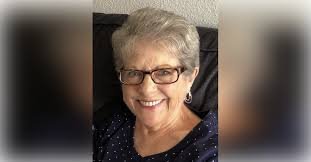
At the center of that question was Barbara Joyce Williams Ferrell — Ted Williams’s eldest daughter. Her legal challenge drew national media attention and put her name in front of millions of people who had never heard of her before.
This article covers who Barbara Joyce Williams Ferrell was, her relationship to Ted Williams, what she sought in the legal dispute, and how the conflict was eventually resolved. Where reliable public information is limited, this article says so plainly.
Who Barbara Joyce Williams Ferrell Was
Barbara Joyce Williams Ferrell was Ted Williams’s eldest daughter. In some contemporary news coverage, she was referred to by the nickname “Bobby Jo” — both names refer to the same person.
Her husband was identified in press reports as Mark Ferrell, also referenced in some coverage as Frederick “Mark” Ferrell. At the time of the 2002 dispute, Barbara was living in Florida.
Beyond these basic facts, reliable public sources provide very little information about her. Her childhood, education, occupation, and life outside the 2002 events are not well documented in the public record. Rather than fill those gaps with unverified details, this article sticks to what can be confirmed.
She was a half-sibling to John Henry Williams and Claudia Williams — Ted’s children from a later marriage. This family structure is important context for understanding why the dispute unfolded the way it did.
Her Father, Ted Williams
To understand why Barbara’s story attracted national attention, it helps to understand who her father was.
Ted Williams played 19 Major League Baseball seasons, most of them with the Boston Red Sox. He is widely regarded as one of the greatest hitters in the history of the sport. In 1941, he batted .406 — the last time any player has hit above .400 in a single season. He also won six American League batting titles over the course of his career.
Williams wasn’t only a baseball player. He served as a U.S. Marine Corps pilot in both World War II and the Korean War, a fact that added to his public stature long after his playing days ended.
Ted Williams had children from more than one marriage. Barbara — also known as Bobby Jo — came from an earlier marriage. John Henry Williams and Claudia Williams were born from a later marriage. This meant Barbara was a half-sibling to the other two, and that distinction would matter when it came to the question of who had the authority to make decisions about Ted’s remains.
What Ted Williams’s Will Said and Why It Mattered
Ted Williams died on July 5, 2002. Shortly after his death, his body was transferred to the Alcor Life Extension Foundation in Scottsdale, Arizona. Alcor specializes in cryonic preservation — the low-temperature storage of human remains based on the belief that future technology may one day make it possible to restore biological function.
Barbara’s legal position rested on Ted Williams’s formal will. According to reporting by ESPN at the time, the will called for cremation and the scattering of his ashes in the Florida Keys. That was what Barbara said her father had wanted, and that was what she sought to carry out.
John Henry Williams — Ted’s son — took a different position. He cited a separate document, described in coverage as a handwritten note or informal statement, that he said showed Ted had agreed to cryonic preservation. The authenticity, legal standing, and exact circumstances of that document were disputed.
It’s worth understanding the difference between the two documents. A formal, witnessed will is a legal instrument with established standing. An informal written statement carries far less legal weight and is much easier to contest. That gap between the two documents was at the heart of the family conflict.
Neither document was conclusively validated by a court. The dispute was ultimately resolved through a family agreement, not a definitive legal ruling about which document controlled.
Barbara’s Legal Challenge and the Allegations She Raised
Barbara filed a legal petition seeking to have her father’s remains returned to Florida for cremation in line with his will. Her attorneys disputed characterizations that she had been estranged from Ted Williams; contemporary reporting included direct denials of that framing from her side.
During the dispute, Barbara raised concerns — reported at the time as her accusations — that John Henry might seek to profit from Ted Williams’s DNA in some future commercial arrangement. This claim was attributed to Barbara’s side and was disputed. It should not be taken as an established fact. Contemporary reporting documented the allegation without confirming it.
The story attracted coverage from The New York Times, ESPN, the CBC, and the Associated Press, among others. It combined a famous sports figure, a family disagreement over a deceased person’s wishes, and the unusual subject of cryonics — a topic most Americans had little familiarity with at the time.
How the Dispute Was Resolved
In December 2002, Barbara withdrew her legal petition. The New York Times reported that the three children — Barbara, John Henry, and Claudia — reached an agreement allowing Ted Williams’s remains to stay in cryonic preservation at Alcor.
The settlement also reportedly involved the distribution of funds from an irrevocable insurance trust that had been established for the children. The specific terms of that agreement were not made fully public.
Barbara’s withdrawal of the petition meant there was no court ruling declaring one side right or wrong. The family reached a private agreement, and the legal challenge ended without a judge deciding which document — the formal will or the informal note — should have controlled the outcome.
Later reporting, including a Sports Illustrated account reproduced by GoUpstate, indicated that Barbara had spent a meaningful sum pursuing the legal effort before withdrawing. Those figures should be treated carefully, as some of the reporting from that later period involved sensational framing and not all details were independently verified.
What Is Known About Barbara Ferrell Beyond 2002
Reliable public information about Barbara Joyce Williams Ferrell’s life after the 2002 dispute is very limited. She did not appear to maintain a public profile connected to celebrity, business, or public affairs after the case was resolved.
Some readers may encounter her name through genealogy databases or family-history search tools. Those records can be useful for establishing basic family connections, but a genealogy listing alone is not a substitute for confirmed biographical information from primary or established news sources.
If you are researching Barbara Ferrell specifically, it is reasonable to expect that verified public details about her later life are sparse. That is not unusual for family members of famous people who were not themselves public figures by choice.
For those looking at the broader business and legal dimensions of disputes like this one, resources like Learn Business Daily can offer useful context on how family legal conflicts over estates and trusts tend to work.
Understanding Cryonics in This Context
Because cryonics was central to the dispute, it helps to have a basic understanding of what it involves. Cryonics is the practice of preserving a human body — or just the head — at very low temperatures after death. Organizations like Alcor operate on the premise that future medical technology might make it possible to restore those remains to biological function.
This remains a deeply contested scientific and ethical subject. It is not a mainstream medical procedure, and there is no established evidence that it can work as proponents hope. In the context of the Williams dispute, the key legal question was not whether cryonics could succeed — it was whether Ted Williams had actually authorized it and who had the legal standing to make that call.
A Clear Picture of Who Barbara Ferrell Was
Barbara Joyce Williams Ferrell was Ted Williams’s eldest daughter from an earlier marriage. She became publicly known in 2002 not because of her own career or achievements, but because she took a legal stand over how her father’s final wishes should be honored.
Her position — that Ted Williams’s formal will should control — was straightforward. The conflict arose because her half-siblings cited a separate document pointing in a different direction. The case never produced a definitive court ruling. Instead, the family settled privately, and Ted Williams’s remains stayed in cryonic preservation.
What is reliably known about Barbara beyond that period is limited. She appears to have lived a private life before and after the dispute. Her story is primarily one of a daughter trying to enforce what she believed her father had wanted — and ultimately accepting a negotiated outcome she may not have chosen on her own.
That is what the public record confirms. Anything beyond it would require sources that do not currently exist in the verified public domain.
Read Also: