

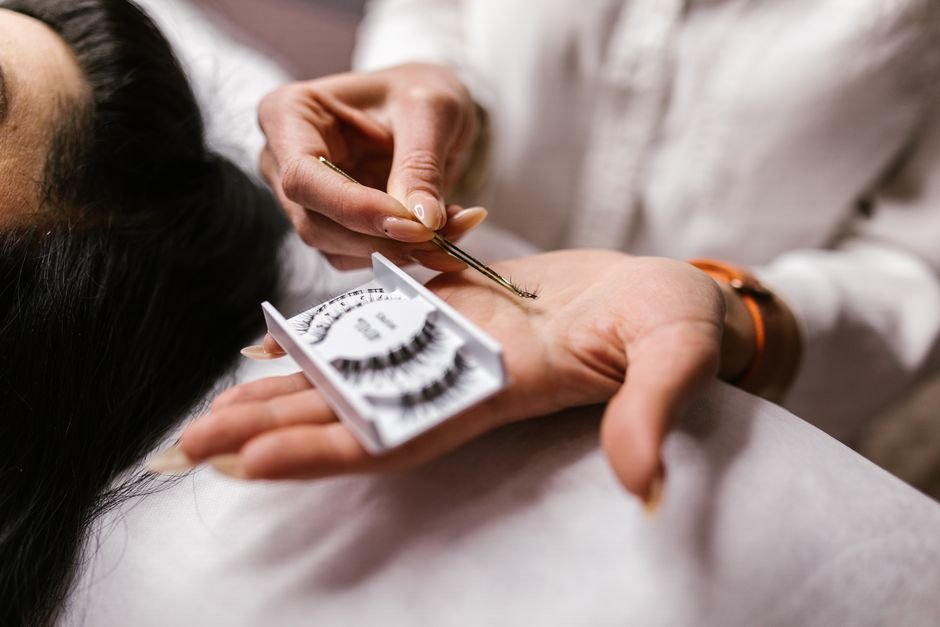
Knowing how to apply a flawless lash set is one thing. Building a business around that skill is something else entirely. The lash industry has plenty of talented artists—but the ones who turn their craft into a sustainable income are the ones who treat it like a real business from day one.
This guide walks through the core steps to launch a lash business: from getting certified and sorting out your legal setup, to building a service menu, pricing your work, and finding your first clients.
Get Certified and Understand Your Local Licensing Requirements
Before anything else, you need proper training. A reputable lash certification course covers more than technique—it includes health, safety, sanitation, and how to avoid causing harm to clients. That foundation matters for everything that follows.
Licensing is equally important, and it varies depending on where you live. Some regions require a full cosmetology license, others an esthetician license, and some have a specific lash specialist designation. Certain states or provinces also require that services be performed in a licensed facility, which affects your workspace options.
As a concrete example, Texas requires lash specialists to be at least 17 years old, hold a high school diploma or equivalent, complete an approved program, and pass both written and practical exams. That’s one state—other places have different rules entirely. Check your local licensing board directly rather than assuming one region’s requirements apply to yours.
Once you’re certified and licensed, get professional liability insurance before you take on any paying clients. Being licensed affects your eligibility for coverage, your legal standing if something goes wrong, and how much trust clients place in you from the start.
Choose a Business Structure and Handle the Legal Setup
Once you’re trained and licensed, it’s time to formalize the business itself. The most common structures for a solo lash artist are a sole proprietorship, an LLC (limited liability company), or a corporation. Each has different implications for taxes, personal liability, and how your finances are handled.
A sole proprietorship is the simplest to set up, but it doesn’t separate your personal assets from your business liabilities. An LLC adds a layer of legal protection and is a popular choice for solo service providers. If you’re unsure which structure fits your situation, it’s worth consulting a lawyer or accountant before registering—this isn’t a decision to make based on a general article.
After choosing your structure, you’ll need to register your business and obtain any required operating permits. Open a dedicated business bank account right away, even if you’re just starting out. Mixing personal and business finances creates headaches at tax time and makes it harder to track whether the business is actually profitable.
A simple business plan at this stage also helps. It doesn’t need to be lengthy—just enough to clarify your target clients, what services you’ll offer, your startup budget, and your basic income goals.
Decide on Your Business Model and Set Up Your Workspace
There are three common ways to operate as a lash artist: from a home studio, by renting a chair or suite in an existing salon, or by opening your own standalone space. Each option comes with different costs, compliance requirements, and trade-offs.
A home-based studio keeps overhead low, but you need to check local regulations first. Some areas don’t allow personal care services to be performed in a private residence without specific permits or zoning approval. Skipping this step can lead to problems down the line.
Renting a chair or suite in an established salon can give you a professional setting without the cost of running your own space. It also opens up natural referral opportunities—a hair stylist who doesn’t do lashes might send clients your way, and you can return the favor.
Whatever setup you choose, your workspace needs to meet basic professional standards. That includes:
- A proper lash bed or recliner
- Strong, adjustable lighting
- Good ventilation
- A sanitation station with disinfectants, a scrub brush, and a Barbicide container for cleaning tools
- A sink with soap nearby
- Organized storage for supplies—adhesives in particular need to be kept away from direct sunlight and heat to stay effective
Client comfort matters too. A blanket, a pillow, and a clean, private space go a long way in creating an experience that makes people want to come back and refer others.
Build Your Service Menu and Set Your Prices
A clear service menu helps clients understand what you offer and makes your bookings easier to manage. A typical tiered structure includes Classic, Hybrid, Volume, and Mega Volume full sets, along with fill appointments for each tier at the two-week and three-week mark.
Pricing is where a lot of new artists struggle. The key is to calculate your actual costs first—rent or home overhead, insurance, supplies, tools, and any marketing spend—and then add a margin that makes the business financially viable. Pricing without knowing your costs is guesswork.
Research what other lash artists in your area are charging. Look at Google, Instagram, and local directories to get a sense of the range. As a newer artist, starting slightly below the local average is reasonable. It helps attract first clients and gives you room to grow. But don’t undercut so aggressively that you can’t cover your costs—that approach tends to burn people out fast.
Set your fill policies from the start. Decide what counts as a fill versus a new set, what the timing cutoff is, and what happens if a client misses their fill window. Clear policies protect your schedule and your income.
To get a feel for income planning: if a full set is priced at $120 and a fill at $75, hitting $4,000 per month in gross revenue would require roughly 20 full sets and 20 fills—or some similar combination. That’s around 10 to 12 clients per week. Working backward from a monthly goal helps you understand what your schedule actually needs to look like.
Get Your First Clients and Build a Marketing Foundation
Getting those first clients without an existing audience takes a bit of hustle, but it doesn’t require a big budget. A few practical starting points:
- Offer model rates: When you’re new, invite friends, family, or volunteers to be practice clients at a reduced rate in exchange for honest reviews and photos.
- Set up a Google Business Profile: This puts you in local search results when someone nearby types “lash artist near me.” It’s free and often underused by new artists.
- Use Instagram intentionally: Post before-and-after photos with good lighting and local hashtags. You don’t need to go viral—you need a handful of local people to find you.
- Build local partnerships: Connect with nearby nail techs, hairstylists, brow artists, and estheticians. These aren’t direct competitors, and cross-referrals can grow your client base steadily.
- Referral incentives: A small discount for clients who refer a friend is a low-cost way to turn happy customers into a marketing channel.
A fast response time matters more than most new business owners expect. If someone messages you about booking and doesn’t hear back for two days, they’ll often book someone else. Treat inquiry response like part of your service.
For broader business guidance as you grow, Learn Business Daily covers practical topics across a range of industries, including the operational side of running a service-based business.
Plan for Growth from the Beginning
Most lash artists start solo, and there’s nothing wrong with staying that way. But it’s worth thinking about where you want the business to go after the first year.
Some artists add retail to their offering—lash cleansers, aftercare kits, or branded products—as a secondary income stream. Others eventually teach and offer their own certification courses. Some hire additional artists or rent out chairs once their own schedule is consistently full.
Track basic numbers from the start: how many bookings per week, what your retention rate looks like, and what your average client spends per visit. These figures tell you whether the business is growing, stalling, or heading in the wrong direction—and they give you something concrete to act on.
Final Thoughts
Starting a lash business is genuinely achievable, but it requires more than skill with tweezers. The artists who build lasting income are the ones who handle the business side with the same care they give their clients.
Get properly trained and licensed. Set up the business legally. Create a workspace that’s safe, clean, and professional. Price your services to cover real costs. And build your client base with patience, consistency, and good service.
The technical skills take time to develop. So does the business. Both are worth the investment.
Read Also:
- How To Start A Handyman Business
- How To Start A Plumbing Business
- How To Start A Storage Unit Business